
Yes. Most gold and silver investments are CGT assets and gains are taxable when the asset is disposed of.
Capital Gains Tax on Gold and Silver Investments in Australia
Last updated:
05 Feb 2026
Originally published:
Feb 2026
Capital Gains Tax (CGT) on Gold and Silver at a Glance: Most gold and silver investments in Australia are subject to capital gains tax. CGT usually applies when bullion, coins or gold ETFs are sold, gifted or transferred, not when their value increases. Individuals and trusts may be eligible for the 50 percent CGT discount if the asset is held for at least 12 months. Special rules can apply to collectable coins, self-managed super funds and frequent trading, and accurate record keeping is essential.
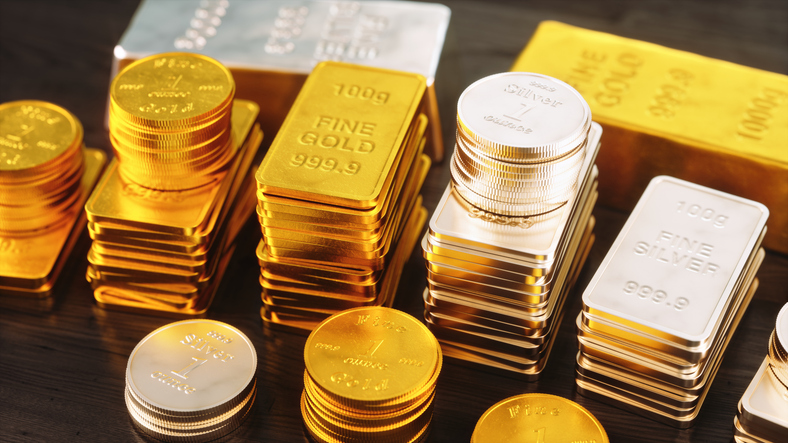
Gold and silver investing has long played a role in Australian portfolios. Precious metals are often seen as tangible assets that may help manage exposure to inflation, currency movements and broader economic uncertainty.
In recent years, gold has increasingly been compared to digital assets, with phrases like “gold is the new crypto” or even “physical Bitcoin” used to describe its role as a decentralised store of value. While these comparisons reflect changing investor sentiment, gold and silver remain firmly within Australia’s established tax framework.
From a tax perspective, gold and silver are still commonly misunderstood. Some investors assume precious metals are taxed like shares. Others believe physical bullion is private and therefore outside the Australian Taxation Office’s view. There is also a perception that because gold and silver do not generate income such as dividends or rent, they are treated differently for tax purposes.
In reality, capital gains tax applies to most forms of gold and silver investing in Australia, and the outcome can vary significantly depending on what you invest in, how you hold it, how long you hold it and whether your activity is considered investing or trading.
Capital Gains Tax Treatment of Gold and Silver in Australia
For Australian tax residents, most gold and silver investments are capital gains tax assets under Part 3-1 of the Income Tax Assessment Act 1997.This commonly includes:
- Physical gold bullion bars
- Physical silver bullion bars
- Bullion coins, including legal tender coins
- Allocated bullion held in vaults
- Unallocated bullion accounts, depending on legal structure (The tax treatment of unallocated bullion and pooled metal products can vary depending on their legal structure and the investor’s rights under the arrangement)
- Gold and silver exchange traded funds (ETFs or ETCs)
- Units in precious metals investment funds
If gold or silver is acquired as an investment and later disposed of for more than its cost base, the profit is generally treated as a capital gain.
Capital Gains Tax Events for Gold and Silver Investments
Capital gains tax does not apply simply because the value of gold or silver increases. It is triggered when a CGT event occurs, most commonly CGT event A1, which relates to the disposal of a CGT asset.A disposal can occur when you:
- Sell bullion back to a dealer
- Sell bullion privately
- Exchange bullion for another asset
- Gift gold or silver to another person
- Transfer bullion into another entity such as a trust or company
- Sell or redeem units in a gold or silver ETF
The capital gain or loss is reported in the income year in which the disposal takes place.
Private Storage of Gold and Silver and ATO Visibility
A common investor mindset is thinking, “I bought a few bars, kept them at home, and sold them later. No one will know.”In practice, this assumption creates risk.
Capital gains tax applies regardless of visibility. If a CGT event occurs, the gain is assessable whether or not it is immediately apparent to the Australian Taxation Office.
The ATO can also know more than many investors expect. Bullion dealers may have reporting obligations, banks create transaction trails, and lifestyle audits can identify unexplained wealth, including proceeds from the sale of gold and silver.
More importantly, from a practical risk perspective, investors who do not keep proper records often end up paying more tax, not less. Without evidence to substantiate the cost base, the taxable capital gain can be significantly higher.
Collectables and Gold or Silver Coins
Under the capital gains tax rules, certain assets are classified as collectables. These include items such as artwork, antiques, coins and medallions that are acquired for personal enjoyment or collector value.Some gold and silver coins may fall into the collectables category where their value is driven more by numismatic or collector interest than by metal content.
This distinction matters because capital losses from collectables can only be used to offset capital gains from other collectables. They cannot be applied against gains from shares, property or other CGT assets.
If collectable coins are sold at a loss, that loss may be quarantined and carried forward until a future collectables gain arises. The ATO considers intent and circumstances when determining whether an asset is bullion or a collectable.
Personal Use Asset Exemptions and Precious Metals
Personal use assets acquired for $10,000 or less may qualify for a CGT exemption. However, investment gold and silver will rarely meet the definition of a personal use asset.Bullion acquired as a store of value or investment is generally not considered to be for personal use. This exemption more commonly applies to items such as jewellery containing gold or silverware that is genuinely used personally.
The burden of proof sits with the taxpayer, and misclassification can result in incorrect tax outcomes.
Capital Gains Tax Discount for Gold and Silver Investments
For most individual investors, the 50 percent CGT discount is often the most significant tax planning consideration when investing in gold and silver.To be eligible for the discount:
- You must be an individual or trust
- The asset must be held for at least 12 months
- The gain must be capital in nature rather than ordinary income
Example:
- Gold purchased for $20,000
- Sold two years later for $30,000
- Capital gain of $10,000
- Discounted capital gain of $5,000
- $5,000 included in taxable income
For trusts, the discount can flow through to beneficiaries (subject to trust rules). For companies, there is no CGT discount.
Timing and Capital Loss Strategies for Gold and Silver
The timing of a disposal can affect the overall tax payable. Selling gold or silver in a year when taxable income is lower may reduce the marginal tax rate applied to the gain.Capital losses from other CGT assets may be used to offset capital gains from gold and silver investments, subject to the collectables rules. Losses must be applied before the CGT discount is calculated.
Investor Versus Trader Classification for Precious Metals
This is a key ATO risk area.If a taxpayer’s activities amount to a business or profit-making scheme, profits from gold and silver may be treated as ordinary income rather than capital gains.
Indicators the ATO considers include:
- Frequency of transactions
- Length of holding periods
- Level of organisation and systemisation
- Scale and commerciality
- Intention to profit from short-term price movements
A long-term holder who buys bullion as a store of value and sells occasionally is generally treated as a CGT investor. In contrast, someone buying and selling bullion frequently based on spreads, charts or short-term movements is more likely to be considered trading. This distinction is particularly relevant for investors transitioning from crypto markets, where gold is sometimes positioned as a “physical Bitcoin”, but tax treatment depends on behaviour, not branding.
Where profits are ordinary income, the CGT discount does not apply. Different deduction, reporting and potentially GST rules may also apply.
The tax outcome can differ depending on your pattern of activity. H&R Block Tax Experts can help assess your circumstances and apply the correct treatment based on ATO guidance.
Capital Gains Tax Treatment of Gold ETFs and Digital Gold
Many investors gain exposure to gold and silver through financial products rather than physical bullion. These include ASX-listed gold ETFs, international gold trusts, exchange traded commodities and online bullion platforms.These products are generally treated as CGT assets in a similar way to shares, and the CGT discount may apply if held for more than 12 months.
However, tax outcomes depend on legal structure. Some products may include assessable income components, foreign income, withholding tax obligations or cost base adjustments. Reviewing product disclosure statements and annual tax statements is essential.
Reporting Gold and Silver Investments on Your Tax Return
From an ATO compliance perspective, record keeping is critical. Investors should retain:
- Purchase invoices showing dealer details (including dealer name and ABN)
- Quantity, weight and purity
- Premiums paid over spot price
- Sale invoices
- Shipping and insurance (can form part of cost base)
- Purchase price
- Transaction costs (dealer fees, brokerage)
If you can’t substantiate the cost base, you may end up with a higher taxable capital gain.
Tip: Stay organised with ReceiptHub: ReceiptHub, our free mobile app, lets you upload and store receipts, track working from home hours, and log vehicle expenses, all in one place. It’s a simple way to stay organised throughout the year and make sure you have the records you need at tax time.
How H&R Block can help with your Tax Return
If you’ve bought or sold gold, silver or other investments, our Tax Experts can take care of your tax return and help ensure everything is reported correctly, including capital gains and cost base details.With 400+ offices across Australia, open nights and weekends, it’s easy to get expert support at a time that suits you. You can do your tax in office, online or by phone, depending on what works best for you.
We’re so confident in our expertise that every return is backed by our Maximum Refund Guarantee, giving you peace of mind that nothing is overlooked.
Capital Gains Tax on Gold and Silver in SMSFs
Self-managed super funds can invest in gold and silver, but compliance requirements are strict and closely monitored by the Australian Taxation Office.Trustees must ensure:
- The fund’s investment strategy permits precious metals
- Storage arrangements are documented
- Assets are kept separate from personal assets
- Valuations are reasonable and supportable at year end
Within an SMSF, capital gains are generally taxed at 15 percent, or an effective 10 percent for assets held longer than 12 months due to the one-third CGT discount. Bullion storage arrangements, particularly home storage, remain a high-scrutiny area.
SMSF support from H&R Block
If your self-managed super fund holds, or is considering holding, gold and silver, H&R Block’s SMSF Solutions team can help with setup, compliance, reporting and ongoing administration.Our specialists can help ensure your SMSF investment strategy, storage arrangements and valuations meet ATO requirements, and that capital gains tax is applied correctly within the fund.
The Bottom Line
Gold and silver investing in Australia sits firmly within the capital gains tax system. While the core rules are straightforward, classification issues, holding periods, behavioural patterns and investment structures can materially affect the tax outcome.From an ATO risk perspective, the most common issues arise from incorrect assumptions about privacy, poor record keeping and misunderstanding the investor versus trader distinction.
The focus should not be on avoiding tax, but on understanding the rules, documenting investments properly and ensuring the correct tax treatment applies.
If you’d prefer support, H&R Block’s Tax Experts can help you navigate these rules and take care of your tax return, giving you confidence that everything is reported correctly.
Frequently Asked Questions About Capital Gains Tax on Gold and Silver
No. Buying gold does not remove CGT obligations. Tax is assessed when the asset is sold or otherwise disposed of.
Yes. Capital gains tax applies to investment gold and silver, and other taxes may apply depending on structure and activity.
There is no legal way to eliminate CGT entirely. Legitimate outcomes may include using capital losses, accessing the CGT discount or selling in a lower-income year.
Investment-grade gold is generally GST-free in Australia. Other gold and silver products, such as jewellery or non-investment metals, may be subject to GST depending on their nature and use.

Still have questions?
Our Tax Experts can take care of your tax return, including capital gains tax and cost base details for gold and silver.
Share with your friends
Related Articles

min read

The ATO’s new ruling TR 2025/D1 changes how Australians claim property tax deductions, especially...
5 min read

Explore HELP, VSL, AASL, SSL and more. Learn about the 2025–26 repayment thresholds, indexation, ...
6 min read

Find out why and how individuals and sole traders can change their names with an ATO update.
4 min read
.png?width=55&height=48&ext=.png)

-1.svg)

